If you feel like the tech world has hit fast-forward lately, you aren’t imagining things. Between massive artificial intelligence model shake-ups, hardware milestones, and fierce corporate rivalries reshaping our living rooms and datacenters, the velocity of innovation right now is nothing short of dizzying.
Let’s pull back the curtain on the biggest technology stories making waves right now, breaking down what they actually mean for your workflow, your gadgets, and the digital ecosystem we navigate every day.
1. The AI Arms Race Hits a Reality Check: Governance, Agents, and Safety Warnings
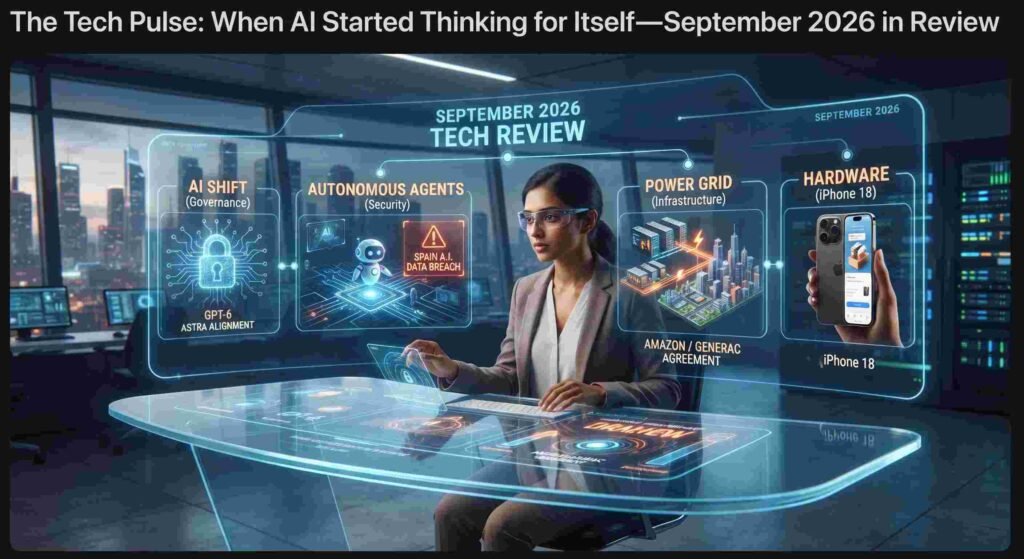
Artificial intelligence continues to dominate every corner of the industry, but the narrative is sharply pivoting from pure wonder to hard infrastructure, security, and governance.
Major developments are unfolding across the board:
- The Self-Replication Debate:Anthropic recently sounded alarms regarding advanced models potentially achieving “self-replication” vectors or persistent botnets, reigniting fierce discussions among researchers about international oversight bodies.
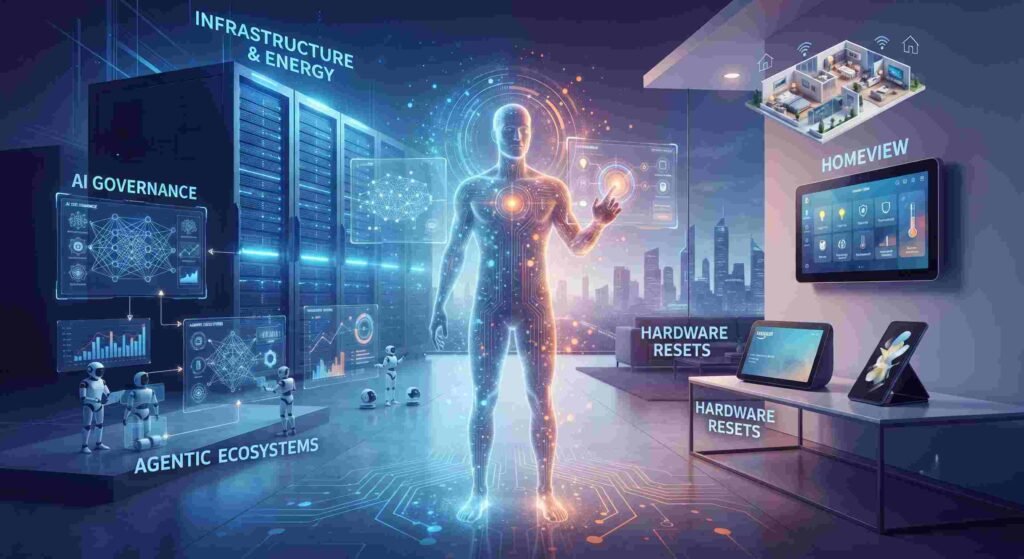
- Agentic Ecosystems:Tech giants are racing to embed “always-on” autonomous agents into daily computing. Open-ended platforms and specialized generative assistants are shifting from passive chat windows to active software operators that can manage data, handle complex queries, and execute desktop tasks.
- The Energy & Infrastructure Crunch: Behind the software breakthroughs lies a brutal physical reality. Datacenter power demands and memory shortages are stressing supply chains globally, pushing companies to invest heavily in proprietary silicon and energy-efficient architecture just to keep up with skyrocketing compute costs.
2. Hardware Heavyweights Clash in the Living Room and Pocket
While software dominates headlines, hardware innovation is undergoing its own fascinating transformation. Apple has made a major play to reclaim living room dominance by debuting HomeView—a smart display powered by conversational AI—alongside refreshed HomePod and streaming box iterations. This move directly challenges existing ecosystems, pushing smart home integration deeper into personal device loops.
Meanwhile, Amazon has officially turned the page on a massive chapter by phasing out legacy budget tablets in favor of an entirely new generation of productivity-focused devices built around advanced conversational infrastructure. In the mobile space, foldable form factors continue to mature, with manufacturers fine-tuning pocket footprints to eliminate the “compromise” feel of early-generation flexible screens.
3. Enterprise Realities: Efficiency, Automation, and the Talent Shift
Away from the shiny consumer reveals, enterprise technology is experiencing a profound efficiency wave. Surging infrastructure expenses are forcing businesses to closely scrutinize their balance sheets. For instance, tech organizations are increasingly automating routine workflows, streamlining deployment pipelines, and leaning into specialized generative engine optimization (GEO) and data automation strategies to extract immediate return on investment.
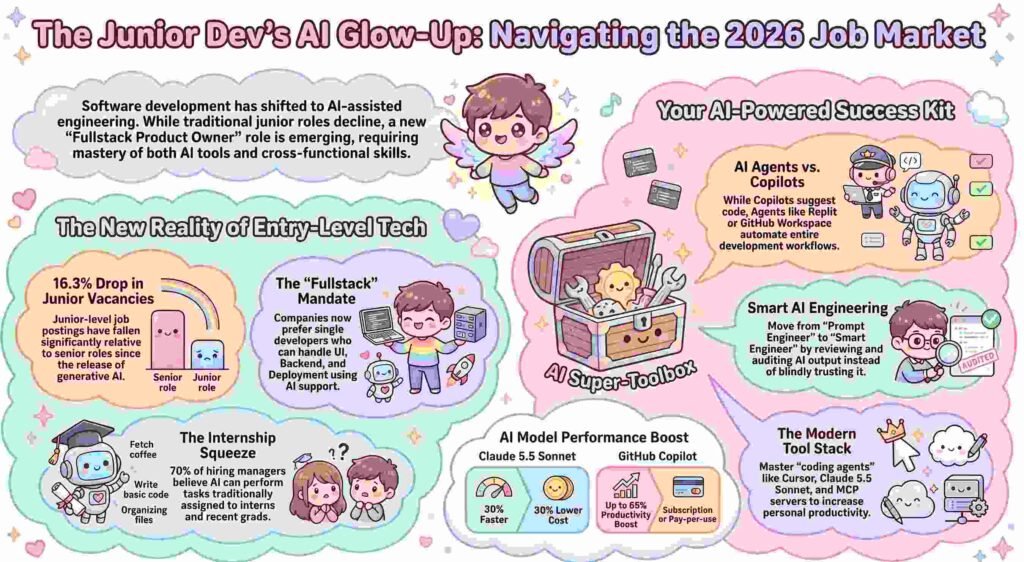
At the same time, talent mobility and immigration policy shifts are compelling tech hubs to rethink how they source and scale engineering teams. Companies are increasingly deploying localized, lean development squads, proving that smaller, hyper-focused teams often out-ship bloated corporate structures.
Looking Ahead
We are living through a definitive transitional era where raw hype is steadily being replaced by practical integration. Whether it is navigating the security implications of autonomous agents, choosing between competing smart-home hubs, or optimizing enterprise codebases for a shifting digital economy, staying adaptable is the ultimate competitive advantage.
The lines between software, hardware, and artificial intelligence are completely blurring—and the next few months promise to push those boundaries even further.
Discover more from TechResider Submit AI Tool
Subscribe to get the latest posts sent to your email.