This week in tech, AI agents moved from demos to daily workflows, compute spending hit new highs, and governments tightened access to frontier models.

AI Breakthroughs: GPT‑5.6, Agentic Gemini, and Open‑Weight Coding
The biggest story continues to be AI model releases centered on agents—systems that can research, plan, draft, and act across tools rather than just answer questions.
- OpenAI GPT‑5.6 launched as a three‑tier family: Sol (flagship with “Ultra” sub‑agent mode and a Max reasoning setting), Terra (GPT‑5.5‑level quality at roughly half the cost), and Luna (fast, cheap tier for high‑volume tasks).
- The Sol variant is currently gated to about 20 approved organizations under a U.S. government‑reviewed preview, a sign of how policy is now shaping access to frontier models.
- On benchmarks like ARC‑AGI‑3, Sol became the first model to publicly beat a game, pointing to stronger multi‑step reasoning and planning.
At the same time, Google pushed its Gemini 3.5 / Gemini Omni line as an “agentic” platform aimed at real workflows: researching across tabs, drafting documents, planning tasks, and integrating with work tools. The message from Google and others is clear: AI is shifting from chatbots to workflow engines that can take actions, not just generate text.
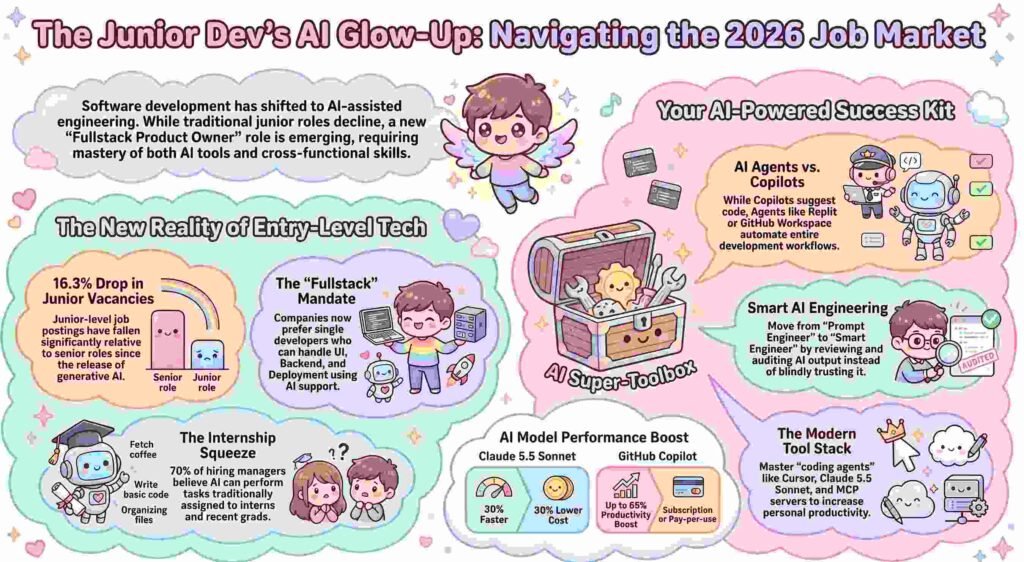
On the developer side, GitHub Copilot integrated its first open‑weight coding model, Kimi K2.7 Code, giving teams more control and transparency over how code suggestions are generated. For content creators and devs, this is a signal that coding assistants are maturing from autocomplete to collaborative agents that can suggest, refactor, and even scaffold small projects.
Compute Wars: Custom Chips and Billion‑Dollar Deals
Behind every new model is a race for compute—chips, data centers, and power. This week underlined just how strategic that layer has become.
- OpenAI and Broadcom taped out the “Jalapeño” inference chip in only 9 months, designed specifically for LLM workloads with a focus on performance per watt.
- Anthropic is in early talks with Samsung to develop a custom AI chip, joining other firms trying to reduce reliance on Nvidia’s GPUs.
- Reflection AI locked in $6.3 billion in compute capacity through 2029, showing how AI startups are making massive, long‑term infrastructure bets.
Meanwhile, MIT’s Murakkab research demonstrated large speedups and energy savings in multi‑step AI agent workflows, which could directly affect inference costs and pricing for agentic products. For startups and creators, this matters: cheaper, faster agent runs mean more complex automations become economically viable.
Policy & Access: ID Checks, Gated Previews, and Watermarking
July’s theme isn’t just “more powerful AI,” it’s also “more controlled AI.” Governments and companies are tightening rules around who can use frontier systems and how.
- Access to top models is increasingly tied to identity verification, vetted previews, and credits‑based billing instead of simple subscriptions.
- Fable 5 now requires ID checks via Persona and has moved to usage credits, while Mythos 5 remains limited to vetted U.S. critical‑infrastructure defenders under programs like Project Glasswing.
- Federal agencies are racing against a July 2 deadline connected to the June AI executive order, pushing internal compliance and deployment rules.
For businesses and creators, this means:
- Expect more friction accessing cutting‑edge models.
- Plan for usage‑based pricing and quotas rather than flat “unlimited” plans.
- Keep an eye on watermarking and disclosure requirements as they roll out globally.
Smartphones, Platforms, and Consumer Tech
Beyond AI models, the consumer tech landscape is shifting as well.
- Reports highlight Samsung’s next‑gen Galaxy S26 Ultra, expected to lean harder into on‑device AI features for photography, summarization, and assistant tasks.
- Regulatory scrutiny continues to shape big platforms: new policies in the U.S. and Europe are affecting Apple, Google, TikTok, and Meta, especially around app store rules, data privacy, and algorithmic transparency.
- In social media, debates continue over algorithm priorities and user safety, with regulators probing how recommendation systems impact younger users and what responsibilities platforms have.
For content creators, these trends matter for distribution: algorithm changes can swing reach overnight, while privacy rules may limit targeting and data access for ads and analytics.
What This Means for Creators and Builders
If you work in content, code, or startups, three takeaways stand out:
- Agents are the new interface
Tools that can plan, research, and act across apps will increasingly replace simple chatbots. Expect AI to show up inside your editor, IDE, design tool, and analytics dashboards—not just as a side window. - Compute and cost will define what’s possible
Custom chips, more efficient inference, and long‑term compute deals will determine which features are affordable at scale. Projects that ignore inference cost will struggle to monetize. - Access will be gated, usage will be metered
Frontier models will come with ID checks, approvals, and credit systems. Building on top of them means designing for quotas, fallbacks, and multi‑model strategies rather than betting everything on a single API.
Quick Hits
- JetSpec reported a 9.64× speedup on math benchmarks using speculative decoding, a technique likely to trickle into commercial APIs.
- Amazon signaled a $1B+ push into AI delivery and infrastructure, reinforcing the “platforms getting stronger” dynamic.
- Industry analysis notes that AI is moving from demo culture to systems competition, where orchestration, reliability, and cost matter more than one‑off model benchmarks.
FAQ
1) Why was AI the biggest tech story this week?
AI dominated because the week combined new model launches, stronger agent features, and tighter access controls, showing that the market is shifting from simple chatbots to action-oriented AI systems.
2) What is the difference between a chatbot and an AI agent?
A chatbot mainly responds to prompts, while an AI agent can plan tasks, use tools, and complete multi-step workflows across apps and services.
3) Why are custom AI chips getting so much attention?
Custom chips matter because companies want faster inference, lower power use, and less dependence on general-purpose GPU supply, which is becoming a strategic bottleneck.
4) What does tighter AI access mean for regular users?
It means some frontier models may require identity verification, approved access, or usage-based credits instead of open signups and flat subscriptions.
5) Why should creators care about this week’s tech developments?
Creators are directly affected because AI tools are becoming better at research, drafting, coding, and automation, while platform and policy changes can alter reach, monetization, and workflow costs.
6) Are these AI updates more useful for businesses than individuals?
Right now, many of the biggest releases appear positioned for organizations and power users because they emphasize workflow automation, enterprise access, and infrastructure scale.
7) What is the biggest business trend behind this week’s headlines?
The clearest trend is that tech firms are competing on systems, not just models, with infrastructure, chips, access controls, and product integrations becoming as important as benchmark scores.
8) How can readers stay ahead of fast-moving tech news?
A practical approach is to follow weekly roundups focused on AI launches, regulation, chips, platform policy, and creator tools, because those areas are driving most near-term change.
Discover more from TechResider Submit AI Tool
Subscribe to get the latest posts sent to your email.